
Publishing and round-tripping GLAM data
Challenge
Wikimedia Sweden (WMSE) supports a broad range of cultural heritage institutions and community-led organisations in publishing their data to Wikimedia platforms such as Wikipedia, Wikidata, and Wikimedia Commons, as well as to national aggregators and Europeana. Despite this long-standing support, numerous issues with data mappings and inefficiencies in achieving dissemination objectives have been observed over the years. Without effective round-tripping mechanisms between Wikimedia platforms and source databases, or aggregator infrastructure, a lot of the benefits of openly sharing data, such as crowdsourced enrichment remain unexploited opportunities.
Approach
This case study will focus on the workflows for publishing data to Wikidata (and to a lesser extent Wikimedia Commons) and national / EU aggregators from GLAM institutions unified by common cultural contexts, which opens up opportunities for collaboration and enrichment across the collections. The case participants working with coordinator WMSE will select and process the data for multi-output publishing via the ECHOLOT enrichment pipeline including all necessary steps for data mapping and harmonisation. The case study will also explore use-cases for bringing crowdsourced data enrichment back to the GLAM partners. This involves defining which data objects to monitor for after dissemination – identified by a certain timeframe, a certain property or identifier, or a more advanced set of conditions – with a view to future round-tripping, based on language or specific timeframes.
Expected results
- Harmonised, enriched and published Cultural Heritage data from Swedish national institutions on Wikimedia and national / EU aggregator platforms.
- The source institutions receive enriched data back.
Case study participants:
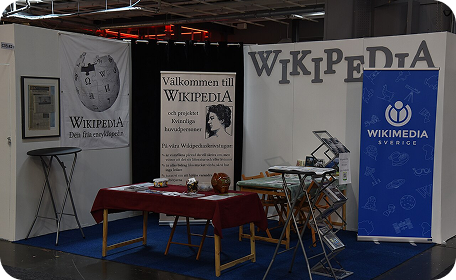
Wikimedia Sweden
Wikimedia Sverige (WMSE) is a non-profit association based in Sweden and the Swedish chapter of the Wikimedia Foundation. The association works towards making knowledge freely accessible, especially by supporting Wikipedia and its sister projects.
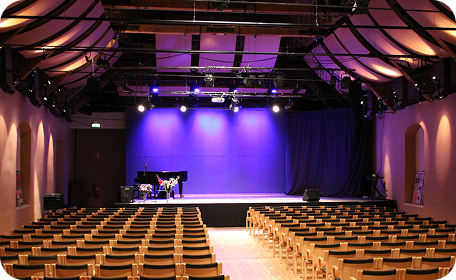
National Collections of Music, Theatre and Dance
Statens musikverk –National Collections of Music, Theatre and Dance – encompasses five operations dedicated to collecting, preserving, safeguarding, building knowledge and making accessible the cultural heritage of music, theater, and dance.
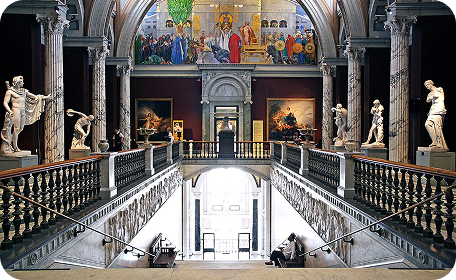
Nationalmuseum
Nationalmuseum is Sweden’s museum of art and design with items dating from the early Middle Ages to the present day. Its collections comprise >16K paintings and sculptures, >500K prints and drawings, as well as >30K objects of applied arts and design, and >5K portraits.
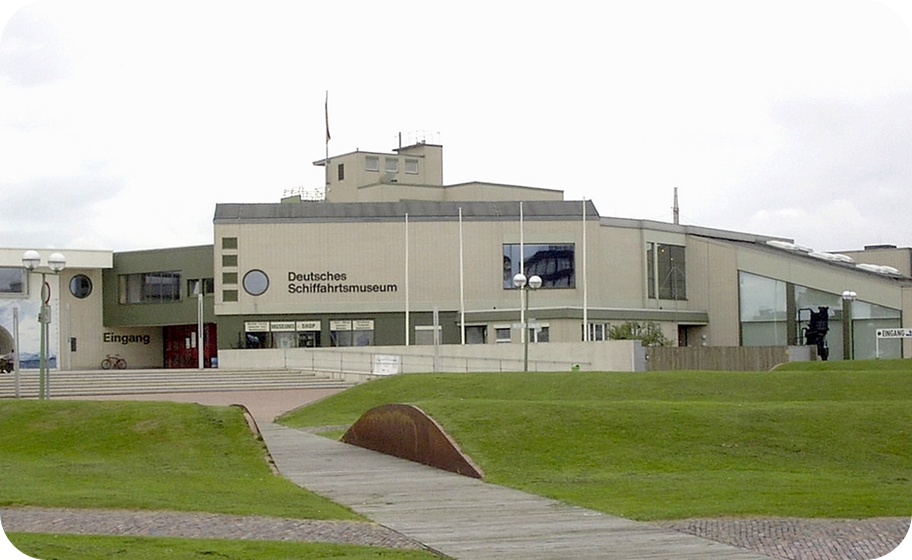
German Maritime Museum
The German Maritime Museum and Leibniz Institute for Maritime History focuses on maritime culture and technology from the late Middle Ages to the present day. Its collection preserves and makes accessible more than 60,000 objects, around 380,000 archival documents and a library stock of more than 100,000 specialised publications.