
Flemish fine arts and performing arts collections
Challenge
The publication of collection data from CHIs on external data sharing platforms, especially Wikimedia platforms and Europeana, is currently not effective and efficient enough. Digital strategies of CH organizations frequently encompass the aspiration to broaden the accessibility of their collections beyond their own platforms. Europeana, Wikimedia Commons and Wikidata are among the most popular platforms for achieving wider accessibility and potential reuse. But reaching that goal currently involves navigating numerous obstacles. While the outcomes are satisfactory, there are missed opportunities in terms of making processes more interconnected, thereby gaining wider adoption.
Approach
Meemoo, the case study coordinator, will collaborate with Flemish CH organisations in selecting images and metadata to be imported and transformed in the ECHOLOT system. The data will be provided either via APIs and IIIF manifests or through exports from local databases. The case study seeks to explore bidirectional continuous integration. Image data published on Europeana with sufficient semantically rich metadata and appropriate licences can be pushed to Wikimedia Commons, along with source referencing. Likewise, image data published on Wikimedia Commons as part of the collection of one of the participating institutions can be picked up and shared on Europeana. Enriched metadata from the fine arts museum and performing arts organisations with data from other sources should also flow back to the source systems.
Expected results
- A validated workflow that pushes data to the ECHOLOT service, where these can be enriched and published in a single effort to Europeana and Wikimedia Commons.
- Several thousand image items that are enriched and embedded with the appropriate provenance and rights metadata.
Case study participants:
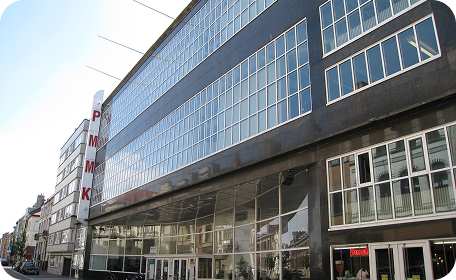
Mu.ZEE
Mu.ZEE offers an overview of Belgian visual art from 1860 to today, based on a museum collection of 8,000 works of art. This collection builds on the collections of the City of Ostend and the Province of West Flanders, today the Flemish Community, which Mu.ZEE vzw has managed since 2008.
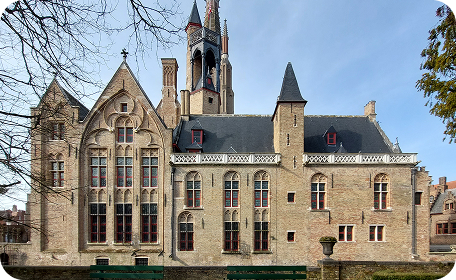
Musea Brugge
Musea Brugge, is a Cultural Heritage institution in the Flemish Community comprising 13 distinct cultural and historic sites in the city of Bruges. The focus for this case study will be on print room collections.
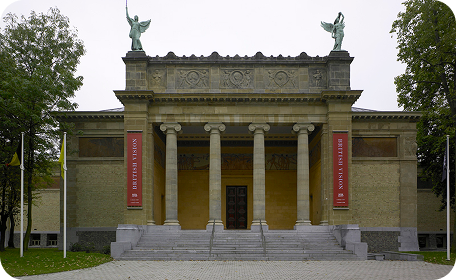
Museum of Fine Arts
Museum of Fine Arts, Ghent, preserves almost 20,000 works of European painting and sculpture, from the Middle Ages to the present day, including a collection of >9,000 Flemish visual art items. It’s also a centre of expertise for the art of the 19th and first half of the 20th century.
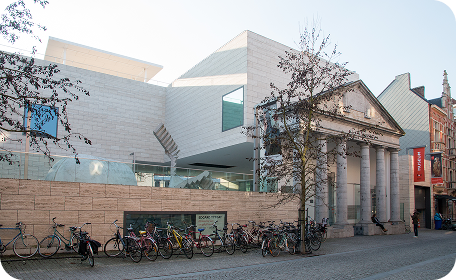
M Leuven
M Leuven, with over 46,000 fine art items, holds a valuable collection of contemporary art, with many works by Belgian artists. M’s origins as an urban museum reflects the history and culture of Leuven and the former Duchy of Brabant. In addition to the visual arts, the museum contains an extensive collection of applied arts, prints, and archaeological items.
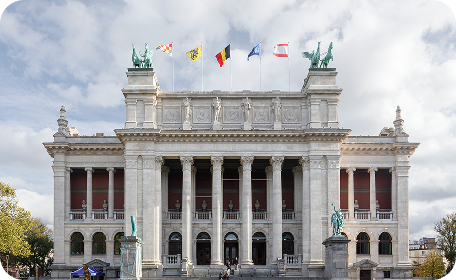
Royal Museum of Fine Arts Antwerp
Royal Museum of Fine Arts Antwerp (KMSKA) houses Flemish fine art collections spanning seven centuries: from Flemish Primitives to Expressionists, world-renowned masters, and the most extensive and significant collections of James Ensor and Rik Wouters.
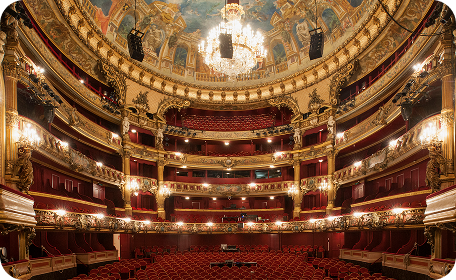
De Munt / La Monnaie
De Munt / La Monnaie is Belgium’s national opera house and preserves a rich heritage spanning more than three centuries of artistic activity. Its collections include programmes, press articles, photographs of artists and productions, posters, costume and set designs, paintings, busts, stage models, costumes, and audiovisual archives.
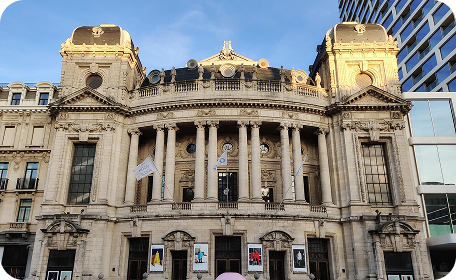
Opera Ballet Vlaanderen
Opera Ballet Vlaanderen is the largest cultural institution in Flanders, presenting opera, ballet, concerts, and music theater productions. It also has an extensive archive.